
Whoa! I want to start with a quick, honest gut reaction: using a Solana wallet in the browser changed how I interact with web3. Medium-term, it’s fast and seamless for everyday transfers. Longer term, though, the security surface matters a lot more than flashy features. Initially I thought browser wallets were just conveniences, but then I realized they shape user behavior in subtle ways.
Really? Okay, so here’s the thing. For me, Phantom stands out because it balances simplicity with useful guardrails. The onboarding flow is straightforward without being dumbed down, which I appreciate. On one hand I like how quickly you can connect to a dApp; on the other hand, that speed can hide permission creep if you’re not careful.
Hmm… my instinct said to trust it at first. Then, after poking through permissions and settings, I noticed some tradeoffs. Actually, wait—let me rephrase that: it’s mostly safe for daily use but you still need to be proactive about approvals. I’m biased toward usability, but security practices matter very very much.
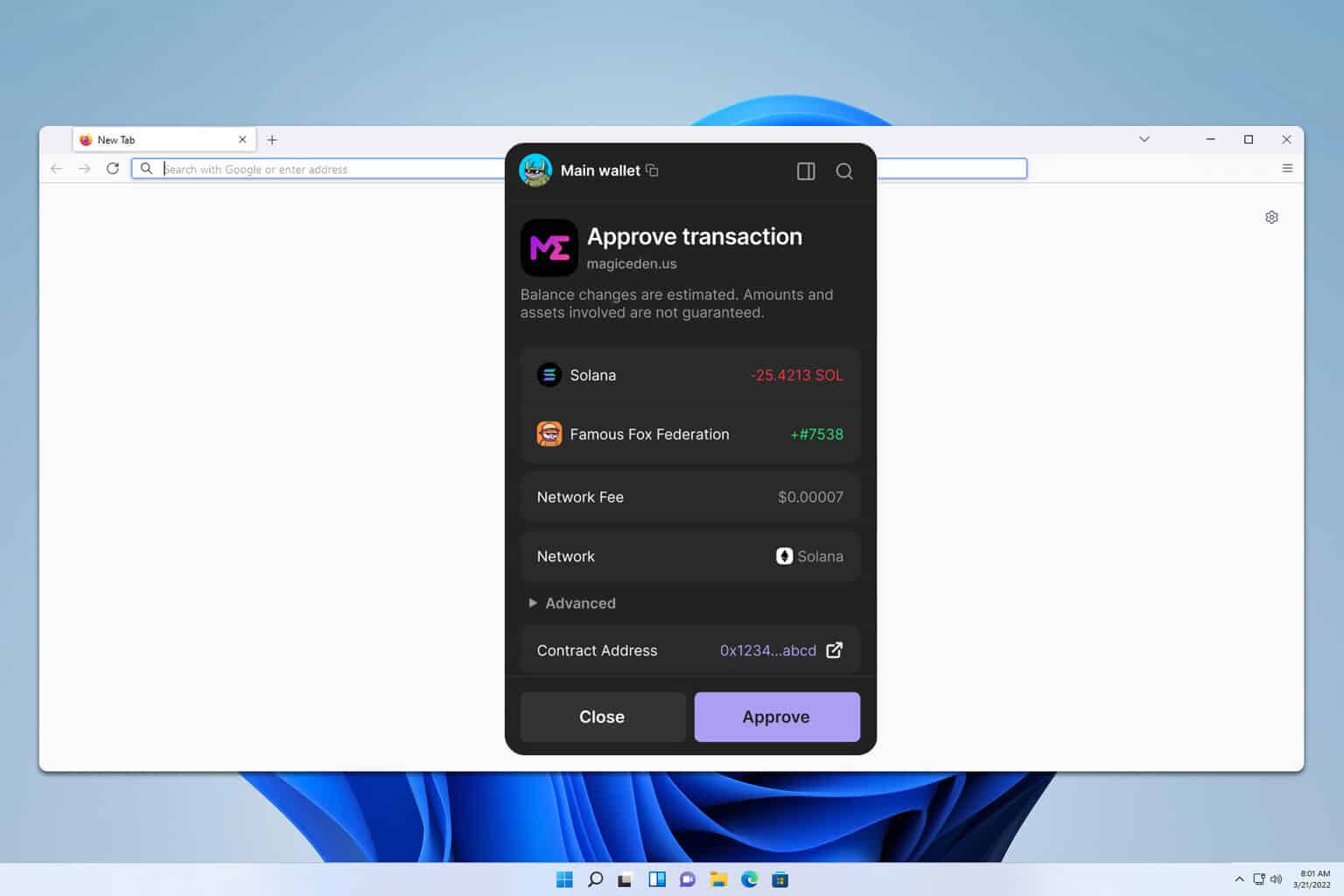
Whoa! Here’s a concrete tip: always review the exact request a dApp is asking for. Medium detail helps—do they want to sign just a message or to authorize token transfers? Long thought: if you ignore that nuance and blindly click approve, you can end up with a delegated approval that allows the dApp to move tokens on your behalf until you revoke it, which is something that trips up new folks often.
Really? Little things bug me—like default settings that assume users understand gas or rent mechanics on Solana. Most people don’t. So a wallet that nudges good choices is valuable. The Phantom app does a decent job here, nudging toward network choices and giving clear labels. Still, it could do better with contextual help for unusual transactions.
Whoa! I’m not 100% sure about reliance on extension-only wallets long term. Medium thought: mobile and extension sync is improving, but fragmentation remains. Longer idea: until standards like WalletConnect for Solana are as ubiquitous and frictionless as on Ethereum, extension wallets will stay dominant for desktop experiences, which is both a strength and a risk.
Seriously? Let me tell you about a small test I run when evaluating any Solana wallet: send a tiny token to a fresh address, then try a cross-dapp sign flow. Medium-level results tell you roughly how well the wallet handles edge cases. Longer observation: wallets that surface transaction details with clear human language reduce mistakes and lower customer support tickets—which, in my view, is a sign of mature UX.
Whoa! Quick aside: somethin’ about Phantom’s visual cues is calming. Medium sentence: the UI uses color and microcopy to separate actions clearly. Longer thought: this reduces accidental approvals because confirmation screens feel less like a blur and more like a step that deserves attention.
Really? People ask me whether to trust browser extensions at all. My instinct: trust but verify. Medium explanation: use a hardware wallet for large sums and pair it with your extension. Long sentence: combining a hardware signer for cold storage with a browser extension for everyday interactions gives you the convenience of quick dApp access while keeping catastrophic risk contained to accounts that are never exposed to the web.
Whoa! Here’s something practical I keep telling friends. Medium tip: create multiple accounts inside the wallet—one for small daily spending and another for savings. Longer reasoning: that separation reduces the blast radius if a site asks for a signature and you accidentally approve something malicious.
Seriously? There’s also the matter of network fees and transaction failures on Solana, which newbies often find confusing. Medium sentence: transactions are cheap, but not free, and they can fail if programs reject them. Longer idea: a wallet that surfaces the program logs or at least gives readable failure reasons is way more helpful than one that shows a cryptic “Transaction failed” message.
Whoa! I’ll be honest—wallet management is more than UI. Medium thought: it’s about educating users and making revocation simple. Longer thought: if a wallet hides the approvals page deep in settings or requires CLI tools to revoke delegated authority, then it’s failing at basic stewardship of user funds, even if the interface looks slick.
Really? Check this: for anyone who wants to try Phantom, there’s an easy way to get started with the browser extension. Medium suggestion: use an official source and double-check the URL. For convenience you can visit https://sites.google.com/cryptowalletextensionus.com/phantomwalletdownloadextension/ to find the extension download and setup guidance, but please verify you’re on the right site before installing or entering seed phrases.
Whoa! A tiny rant: what bugs me is how often people paste seed phrases into random chat windows. Medium plea: never do that. Longer warning: if a site or person asks for your seed phrase to “help recover your wallet,” that’s a clear scam—phishing and social engineering are still the main threats to average users.
Seriously? One advanced practice I use is periodic auditing of token approvals. Medium process: every few weeks I scan approvals, revoke those I don’t recognize, and move larger balances to hardware. Longer explanation: this habit turns a reactive posture into a proactive defense, and the smaller the approvals you leave active, the lower your exposure.
Whoa! Here’s a small comfort: Phantom and a few other Solana wallets are getting better at integrating hardware keys. Medium sentence: Ledger support improved the trust model for many users. Longer thought: as more people pair hardware with extensions, the ecosystem’s baseline security improves, but adoption remains uneven because hardware adds friction and cost.
Really? On one hand, I love the speed of Solana. On the other hand, that speed lulls people into less caution. Medium reflection: quick confirmations can feel like instant trust. Longer observation: building habits—like verifying the origin of signatures and checking for unusual transaction patterns—beats relying solely on UI polish to keep you safe.
Whoa! Small checklist I use when recommending a wallet to someone new: is onboarding clear, are approvals visible, does it support hardware keys, and can you audit or revoke permissions easily? Medium note: backups and recovery flow clarity are equally important. Longer wrap-up: if a wallet nails those elements, it’s a reasonable choice for desktop web3 interactions, but no wallet is a substitute for continuous vigilance.
Really? I’ll end with a candid note—I’m biased toward tools that teach users rather than hiding complexity. Medium sentence: wallets that surface why a transaction matters help users learn. Longer, softer thought: the whole point of accessible wallets is to open web3 to more people without inviting more avoidable losses, and design that respects both convenience and safety wins in the long run.
Quick FAQs
How is Phantom different from other Solana wallets?
Whoa! Short answer: Phantom focuses on a polished UX and dApp compatibility. Medium explanation: it offers integrated token swaps, NFT viewing, and decent permission prompts. Longer note: compared to some lightweight wallets, Phantom provides features that suit both newbies and intermediate users, though true security still depends on user habits and complementary tools like hardware wallets.
Can I use Phantom safely for daily transactions?
Really? Yes, with caveats. Medium guidance: use separate accounts for spending and savings, enable hardware signing for large amounts, and regularly review approvals. Longer advice: stay skeptical of unsolicited connection prompts, and if something feels off, pause and check transaction details or consult community resources before approving.
Where should I download the Phantom extension?
Whoa! Always use trusted sources only. Medium tip: grab the extension from official links or verified stores, and double-check the URL before installing. Longer practice: if you want a starting point for the extension, you can visit https://sites.google.com/cryptowalletextensionus.com/phantomwalletdownloadextension/ but remember to validate the page and avoid entering seed phrases anywhere online—seeds belong offline and in secure backups.